
Campus selection has expanded beyond simply academic rankings: now, with crucial safety infrastructure, emergency readiness, and student wellbeing are additional parts of the equation. Universities now must be assessed on how successfully they deter incidents, manage crises, and ensure that learning environments remain safe. Public trust is built through data transparency, compliance with the campus incident reporting process, and engagement in long-term risk planning. Institutions that center on these elements instill higher levels of trust among students and parents who hold expectations for something durable and protective within their academic career.
Modern institutions make use of integrated security solutions like smart surveillance, limited access points, and predictive analytics to track abnormal behavior. Dispositions for numerous adjustments, universities compare their actions to those that are connected with the safest campus in Pennsylvania, which higher education institutions have used as a better option for legitimate security specifications. Annual safety reports and open-access dashboards provide transparency for students and stakeholders. It provides the accountability that motivates ongoing investment in infrastructure improvements so that campuses move from responding to security threats to preventing risk in ways that create safer environments.
Universities insist on community participation for securing academic settings, thus conducting safety training sessions to promote the idea of peer reporting and making people aware. Collaboration between campus security teams and local authorities to enhance the efficiency of emergency response. This is similar to why some midsized colleges, which aspire to live up to expectations from the safest campus in Pennsylvania designation, are formalizing student safety ambassador groups that teach students how they can be diligent and responsible. This program bolsters early reporting, diminishes delays in response, and cultivates a culture of safety as a collective responsibility across the broader academic community.
Physical safety is important, and the acknowledgment that emotional well-being must also form part of a campus unit is equally essential for aiding us with counseling services, mental health hotlines, and wellness programs that work to diminish stress-related hazards and enhance student resilience. Recent studies have found that several infrastructural attributes related to issues of perceived security — including well-lit walkways, emergency communication stations, and accessible building designs-have a particularly advantageous effect on women. Together, these initiatives help ensure that safety is more than surveillance systems; it is a holistic environment where students can focus on learning and feel supported in everyday campus life.
With the ongoing changes in higher education, campus safety has been high on their agenda, and institutions are increasingly welcoming innovative technology combined with integrated safety strategies to provide better all-encompassing protection. Campus safety in Pennsylvania serves as a standard-bearer for progress in higher education safety practices. In the future, we expect improvements to a variety of AI-based tools that will monitor student health, alert to crises faster and better match academic departments with safety services, creating more resilient and adaptable learning environments for students.
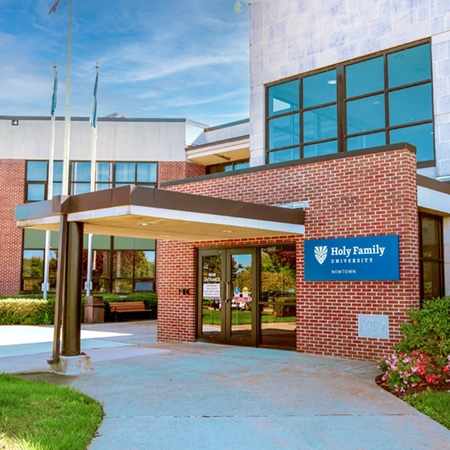
John Right is the author of this article. For more details about Business MBA Schools in Philadelphia, please visit our website: holyfamily.edu.







Write a comment ...